← All books
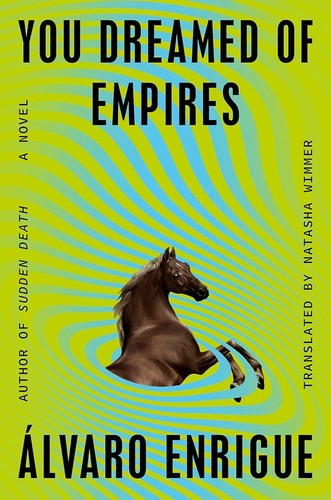
You Dreamed of Empires
by Álvaro Enrigue, translated by Natasha Wimmer
Buy on Amazon
It’s like reading a fever dream: it’s short and sharp but there is so much meticulous, intricate, almost psychedelic detail on every page. The entire book is set across a single day, and you are completely and totally submerged in it. There is plenty of satire as well – a dark humour, which I think shows how much Enrigue enjoyed reimagining this moment, transforming it to something most Mexicans wish had happened. I loved this novel, and it was a massive inspiration for me when writing The Other Moctezuma Girls . I think the genre reflects something we long for, or something we fear, which are honest feelings. The best fiction , including stories that imagine alternative history, is based on emotional truth. When you write a story which resonates with another human being, it uncovers our shared humanity, and that is a powerful thing.
Recommended by
"It’s like reading a fever dream: it’s short and sharp but there is so much meticulous, intricate, almost psychedelic detail on every page. The entire book is set across a single day, and you are completely and totally submerged in it. There is plenty of satire as well – a dark humour, which I think shows how much Enrigue enjoyed reimagining this moment, transforming it to something most Mexicans wish had happened. I loved this novel, and it was a massive inspiration for me when writing The Other Moctezuma Girls . I think the genre reflects something we long for, or something we fear, which are honest feelings. The best fiction , including stories that imagine alternative history, is based on emotional truth. When you write a story which resonates with another human being, it uncovers our shared humanity, and that is a powerful thing."
"This salty and dark historical fantasia feistily explodes well-worn textbook narratives about the meeting of the Spanish conquistador Hernán Cortés and his captains with the Aztec emperor Moctezuma and his entourage in Tenoxtitlan – now Mexico City – in 1519. Álvaro Enrigue’s depiction of the stressed-out, clumsy Cortés and the drugged-out, mercurial Moctezuma sets these near-mythical figures into earthy relief. But it’s mostly the intrigues and machinations of these leaders’ canny consorts – the Aztec princess Atotoxtli and the conquistadors’ translator Malinalli – that power the plot. Natasha Wimmer’s English translation sharply delivers the novel’s poetic and witty qualities, while at the same time reveling in its core theme: the fundamental untranslatability of human experience."