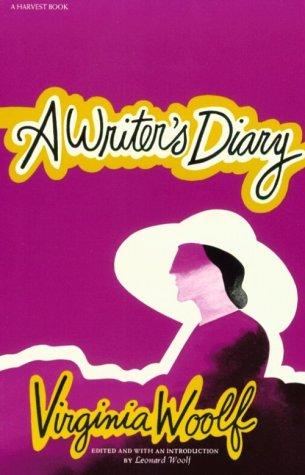
A Writer’s Diary
by Virginia Woolf
Buy on AmazonAn invaluable guide to the art and mind of Virginia Woolf, drawn by her husband from the personal record she kept over a period of twenty-seven years. Included are entries that refer to her own writing, others that are clearly writing exercises accounts of people and scenes relevant to the raw material of her work and comments on books she was reading. Edited and with a Preface by Leonard Woolf Indices. --
Recommended by
"I think she is the finest diarist of the 20th century. Nobody comes near her. She is so brilliant, but she’s snobbish and anti-semitic. It’s not unusual. Casual anti-semitism was fairly pervasive at the time. Of course, Woolf had no sympathy with fascism or anything like that – she was a lifetime Labour supporter and a liberal and a tolerant person. I wouldn’t want to foreground her anti-semitism but it’s there, just as her snobbishness was there. She had a great deal of sympathy with the poor and the less privileged but just didn’t want to surround herself with them. But she writes beautifully in her dairies and letters, as well as her novels – I think she is an incomparable writer. She was absolutely at the heart of things. “She had a great deal of sympathy with the poor and the less privileged but just didn’t want to surround herself with them.” Yes, she moved in a very narrow circle of people, but they were people whose work we are still interested in. John Maynard Keynes was a great friend and there was the whole Bloomsbury set. She had advanced views on sexuality. She had this abiding intellectual curiosity so when she goes into a shop to buy something and the shop girl pronounces on the death of the king, the Prince of Wales or the abdication, Virginia Woolf has this acute ear and will pick it up. She doesn’t get down and dirty with these people but she listens to them. As I said, I just think she is absolutely incomparable. I agree. She’s completely unmediated. And that’s what I mean about casual anti-semitism. It wasn’t a worked-out position. She just makes remarks as they come to her. She’s very honest about people she knows. And then there are her spats with her servants, which she is entirely honest about, too. She is also very good on things like landscape, the country and country walks. I just think that she is the most superb witness from World War I until her death during World War II. She expresses the dilemmas and has no simple answers. She’s never a propagandist. She always sees the other side. It’s like religion. She’s absolutely not religious but she still has the feeling, one that I think any intelligent person has, that there are things she cannot account for and she doesn’t know how to start. So you get this highly intellectual woman who is beset by very proper intellectual doubts. She does. Also, there’s the way she negotiates her sexuality. Woolf had these affairs or relationships with a number of people, including Vita Sackville-West and the composer Ethel Smyth, yet Leonard was still her boon companion and she was deeply reliant on him. She’s without sentiment. That doesn’t mean she’s not emotional, it doesn’t mean she’s not intimate, it doesn’t mean she doesn’t have feelings. She’s just without saccharin and without sentiment."
1930s Britain · fivebooks.com