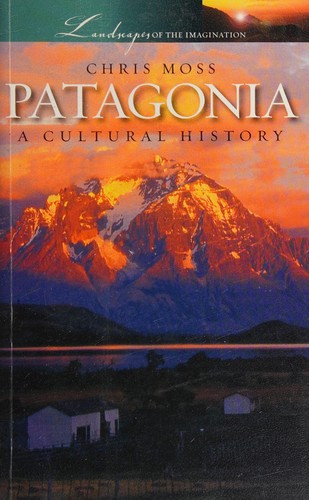
Patagonia: A Cultural History
by Chris Moss
Buy on AmazonWhy haven’t I chosen Bruce Chatwin’s In Patagonia , you may ask! Once you read this you’ll know why. While Chatwin’s book is a memorable stylistic achievement, it gives remarkably little idea of what Patagonia is actually like and concentrates on the most hackneyed aspects of the region’s history. He also convinced thousands of readers that Patagonia was a place few people visited or wrote about, a bizarre and mysterious region inhabited by the desperate, the mad and the Welsh. Chris Moss’s book is a necessary reminder that Patagonia has inspired more and better travel books than almost any other part of South America, and that it is now a heavily commercialised region. One of Signal Books’ excellent ‘Landscapes of the Imagination’ series, the book is even more remarkable for having been entirely rewritten after Moss experienced every author’s greatest nightmare – the stealing of his computer. Provocative, thought-provoking and brilliantly insightful on authors such as Theroux and Chatwin (‘dated and dusty’), Moss’s Patagonia dwells on every conceivable aspect of the region, from the French philosopher Baudrillard’s stay in Ushuaia to the pioneering aviation exploits of Saint-Exupéry. One of the chapters brilliantly evokes the terrors of night flying in one of the windiest corners of the world. Flying was a wonderful way of exploring some of the more inaccessible areas of Patagonia (such as the vast ice field known as the Hielo Patagonico); and planes were essential for the bringing of post to such major centres of the wool trade as Punta Arenas, which had a large European community, despite its isolated position ‘at the end of the world’. The very dangers of flying in Patagonia were also a draw to such notorious daredevils as the First World War German spy and adventurer Gunther Pluschow, who had a fatal crash here after his plane’s rudder went out of control.