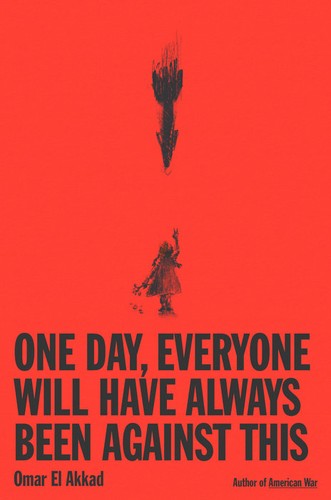
The nonfiction National Book Award also went to a work of memoir this year: Omar El Akkad’s powerful, personal, and highly political essay collection, which reflects on his experiences as an Arab immigrant, and criticises the West’s indifference to Palestinian suffering. Collecting the award, El Akkad said in his speech : “It’s difficult to think in celebratory terms when I have spent two years seeing what shrapnel does to a child’s body. It is difficult to think in celebratory terms when I know that my tax money is doing this. And it is difficult to think in celebratory terms when I have been watching people snatched off the streets by masked agents of the state for daring to suggest that Palestinians might be human beings.” The book expands on a viral social media post, in which he observed: “One day, when it’s safe, when there’s no personal downside to calling a thing what it is, when it’s too late to hold anyone accountable, everyone will have always been against this.”
"The nonfiction National Book Award also went to a work of memoir this year: Omar El Akkad’s powerful, personal, and highly political essay collection, which reflects on his experiences as an Arab immigrant, and criticises the West’s indifference to Palestinian suffering. Collecting the award, El Akkad said in his speech : “It’s difficult to think in celebratory terms when I have spent two years seeing what shrapnel does to a child’s body. It is difficult to think in celebratory terms when I know that my tax money is doing this. And it is difficult to think in celebratory terms when I have been watching people snatched off the streets by masked agents of the state for daring to suggest that Palestinians might be human beings.” The book expands on a viral social media post, in which he observed: “One day, when it’s safe, when there’s no personal downside to calling a thing what it is, when it’s too late to hold anyone accountable, everyone will have always been against this.”"
"This 2025 National Book Award-winning book is a blunt, courageous, searing condemnation of what Omar El Akkad sees as Western complicity in Israel’s war in Gaza and which he has labeled genocide. El Akkad beautifully, and painfully, captures what it feels like to be an Arab immigrant in the West while watching mass killing unfold in real time, funded in part by that very place he now lives – the grief, the anger, the helplessness. He says out loud what many have struggled to put into words: the discomfort of witnessing, the weight of silence and the question of accountability. A book that refuses to let you look away."