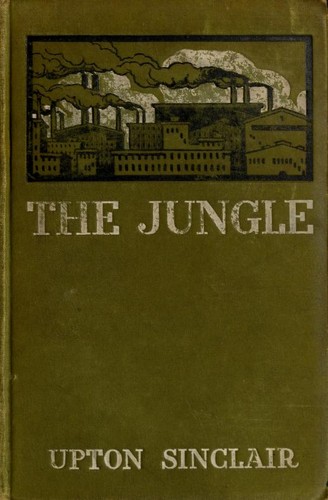
The Jungle
by Upton Sinclair
Buy on AmazonUpton Sinclair's dramatic and deeply moving story exposed the brutal conditions in the Chicago stockyards at the turn of the nineteenth century and brought into sharp moral focus the appalling odds against which immigrants and other working people struggled for their share of the American dream. Denounced by the conservative press as an un-American libel on the meatpacking industry, the book was championed by more progressive thinkers, including then President Theodore Roosevelt, and was a major catalyst to the passing of the Pure Food and Meat Inspection act, which has tremendous impact to this day.
Recommended by
"One interesting thing with this book is that while there are lots of animals in it—and they’re being tortured horribly, literally being skinned alive in the background of many, many scenes in the novel—it’s what’s happening to the humans that is so terrible, and that’s what you’re left with, especially reading it now. When it first came out, people were really shocked by what went into their meat, and I think people would read it now and think things are a bit better, and they probably are… but when you think about it we had the horsemeat scandal a few years ago, a lot of what happens in meat factories is still unknown to us. I think sometimes when we discuss meat-eating, we talk about the suffering of the animals, we even talk about the environment, but we often forget to talk about the people and I think that’s really important: the people who do it on your behalf are worth considering. I think they have to process those issues, but they shouldn’t be blind to them. All of the places I went to were in the UK which meant they were really highly regulated. Also, I would say they were probably quite good abattoirs because they were allowing a journalist in—I wasn’t undercover, I was being quite open about what I was doing. So those people weren’t blind to the issues because they had to be very good at what they did in order to keep their job. In one abattoir, the slaughter-men who were doing the killing had trained for seven years on all the floors, and so I don’t think they’re blind to it. They have to be trained in all of the welfare stuff and they have to care for the animals because they’re being filmed. They have CCTV in most abattoirs in the UK and there’s a big campaign to get CCTV in all abattoirs—I don’t know why the government will not legislate on this as it protects the abattoirs as well. If they are doing a good job it should not be a threat to them. “They had to control their emotions, otherwise they couldn’t do the job” When I interviewed slaughtermen and -women they were aware of what they were doing, that they were killing a beautiful animal. They admitted that they had to control their emotions, otherwise they couldn’t do the job, but also said they were keenly aware of ensuring the animal had a quick death. They were proud of doing a job well. I think it also becomes part of your lifestyle, often there are whole families working in these industries. It is normalised in the sense it is part of your life and that’s just how things are. One of the most interesting interviews I did was with Temple Grandin, an animal behaviourist. She’s audited a lot of abattoirs, and she said that the majority really care about their jobs and do it well but yes, like anything, there are a few bad apples. She admits it and is trying to redesign the industry, so that those kind of people are weeded out. I guess a few people don’t because I’ve had quite violent reactions to my book by people who often eat meat and really don’t want to know. It’s almost like they feel it’s a personal affront, that they’re being attacked when I start telling them where meat comes from. I try to be delicate because I can sort of understand that it is quite upsetting for people. But the majority of people absolutely do want to know because they want to know it is being done right. Get the weekly Five Books newsletter I think [most] people do want to know, but you have to contextualise it. The first time I went to an abattoir to write about it, I was traumatised. It is a death factory, there is no way of getting around that. But you have to put it in context if you really want to understand, so I think people should know about the whole picture—another reason I wrote the book. You need quite a lot of education because you have to think about how the animals are bred and how they’re treated as well as how they are killed. I think that should probably be part of school education. We should know where our food comes from, otherwise we’re susceptible to the kinds of things that happened in The Jungle , or the horsemeat scandal, because people are getting away with stuff where no one’s wanting to look."
Eating Meat · fivebooks.com
"Who says books can't change the world? This one gave us our pure food and drug laws."
By the Book: Adam Hochschild · nytimes.com