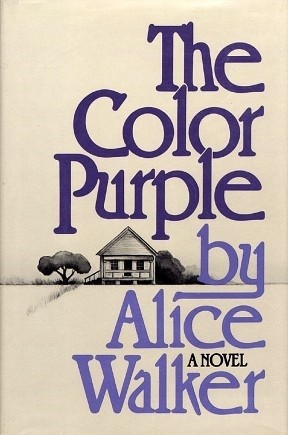
The Color Purple
by Alice Walker · 1982
Buy on AmazonThe Color Purple is a 1982 epistolary novel by American author Alice Walker which won the 1983 Pulitzer Prize for Fiction and the National Book Award for Fiction. The novel has been the frequent target of censors and appears on the American Library Association list of the 100 Most Frequently Challenged Books of 2000–2009 at number seventeenth because of the sometimes explicit content, particularly in terms of violence. In 2003, the book was listed on the BBC's The Big Read poll of the UK's "best-loved novels." ---------- Also contained in: - The Third Life of Grange Copeland / Meridian / The Color Purple
Recommended by
Our Shared Shelf — Complete Picks (2016–2019) · goodreads.com
"It was, indeed. I actually came to this book because I saw the movie when I was 14 years old, when it first came out in the theatres. In the Black community, it was such an event to go see this film, because it was the first time in recent history that a story about Black women was being told this way on the big screen. I went with my cousin. She and I watched it and we cried like babies at the heartbreaking moments of the film. I didn’t even know who Alice Walker was, or that it was based on a book. When I found that out, I thought, ‘I have to read that book!’ I read it and fell in love all over again with those characters, because I got to know them so much better in the book. “Toni Morrison said it best: fiction is not fact, but it is truth” Alice Walker talks about queerness in a way that is just so natural and so beautiful, but she also talks about how the world seeks to suffocate the Black queer person, to force them to be something other than that through means of violence, and how what conquers that is love. Alice Walker is one of the most brilliant writers and The Color Purple is one of my favourite books of all time. The way the story is told: as a letter to God, initially. Then the main character realizes that God is this patriarchal construct that means her more harm than good, so she shifts, and now she’s writing letters to her sister, who was really her only saviour in life. It’s such a profoundly moving testament to the power of love, love between women in particular. Indeed, and I believe that Alice Walker’s A Color Purple had a serious impact on how I decided Samuel and Isaiah, the two main characters, should love: that their love should not be a storybook romance. It should be complicated, it should be difficult, but it should also be naturally intimate and strong at its base. Alice Walker does a brilliant job of that."
Best Books by Black Queer Writers · fivebooks.com
"I always go back to "The Color Purple." When I couldn't afford therapy, I'd read about Celie and her depressing life that was somehow still filled with hope and color."
By the Book: Gabourey Sidibe · nytimes.com
"It has all the philosophical depth of any great novel, yet because it uses the language of country people, translators in, say, China and Japan had to honor the language of their own country people."
By the Book: Gloria Steinem · nytimes.com
"I spent my time in class reading Alice Walker's "The Color Purple" under my desk. I think I finished the book before I was caught, though."
By the Book: Kara Walker · nytimes.com
"I just reread The Color Purple for about the tenth time."
By the Book: Librarian Amanda Jones · nytimes.com
"The feeling I got when I read the books is comparable to the feeling I had when I watched the movies. They retain the integrity of characters without falling prey to commercialism."
By the Book: Viola Davis · nytimes.com